


Precision Masonry Care
Chimney Repointing in
Vermont & New Hampshire
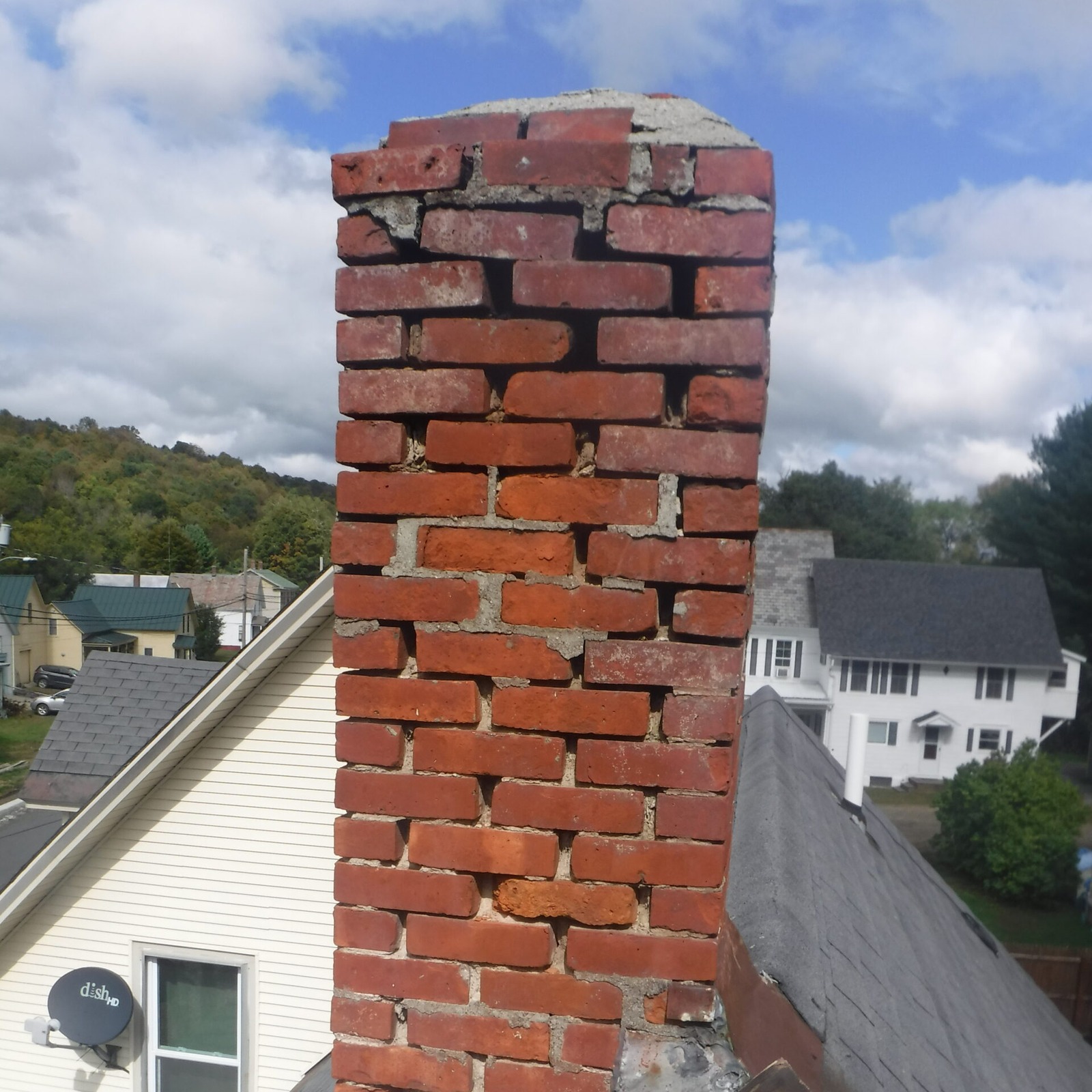
The mortar joints between your chimney's bricks do a quiet but important job — they hold the structure together and form the first line of defense against rain, wind, and snow. Good brickwork can last a very long time, but mortar doesn't have the same lifespan. Over the years it naturally weathers, softens, and recedes. When enough of it is gone, water starts finding its way in.
The good news is that if you catch it early, repointing is one of the most straightforward and cost-effective things you can do for your chimney. Chimney Savers provides precision chimney repointing services across Vermont and New Hampshire — carefully removing the worn mortar and replacing it with a fresh mix matched to your existing masonry, restoring the structure and keeping it watertight for years to come.
Why Timely Chimney Repointing Matters
Repointing is one of the most practical and cost-effective ways to take care of a masonry chimney. Staying on top of mortar wear keeps the structure solid and watertight, and it's almost always simpler and less expensive than addressing the damage that builds up when it's left alone.
Stops Moisture Before It Gets In
Fresh mortar closes the gaps that let water penetrate — the same water that freezes and expands with each cold snap, gradually working the bricks apart from the inside out.
Keeps the Structure Solid
New mortar locks the brickwork back into a stable, unified structure, preventing individual bricks from loosening or shifting position over time.
A Fraction of the Cost of Larger Repairs
Catching mortar deterioration when it's still manageable is almost always far less expensive than dealing with the damage that builds up when it's left to progress. Repointing at the right time keeps the bigger work at bay.
Gentle on Historic and Older Masonry
For older chimneys, we use flexible mortar blends that are compatible with the original brickwork, allowing the structure to move naturally with seasonal changes without putting stress on the surrounding brick.
Trusted by Your Neighbors
I paid for waterproofing on Wednesday. They happened to be in the area and got it done without me ever even noticing on Friday. That's 5 stars. Solid masonry repair too. They'll be replacing my chimney liner and I completely trust it'll be a smooth, professional operation. Great work.
Joshua Rivard
Not sure if your chimney needs repointing?
Here are the most common signs your chimney needs repointing.
Gaps or Recesses in the Mortar
Visible spaces or hollows where mortar has eroded away from between the bricks, sometimes clearly visible from the ground on older chimneys.
White Staining on the Exterior
Chalky white deposits on the brickwork are a sign that water has been moving through the masonry and leaving minerals behind on the surface on its way out.
Spalling Along the Mortar Lines
Bricks near deteriorated joints that are starting to crack or shed their faces — usually a sign that moisture has been working its way in.
Loose or Shifting Bricks
Bricks that can be slightly wiggled, or that have shifted noticeably out of their original alignment.
Powdery or Crumbling Joints
Mortar that flakes off easily, crumbles when touched, or shows signs of turning sandy rather than holding firm.
Moss or Plant Growth in the Joints
Moss or small vegetation rooted in the mortar joints means the seams are staying consistently damp, which speeds up deterioration over time.

Our Chimney Repointing Process
Good repointing is careful, methodical work. We take the time to do it right — removing only what needs to come out, matching the new mortar to your existing masonry, and finishing the joints cleanly so the repair holds for years.
Masonry Assessment
We inspect the full chimney to understand the extent of the mortar wear and analyze the existing mortar composition so we can match the new material properly to what's already there.
Planning the Repair
We determine which sections need repointing and outline the full scope of the work, so you know exactly what's involved before anything starts.
Fixed-Price Proposal
You'll receive a written proposal with the full scope, materials, and total cost. No surprises, just clear, honest pricing.
Expert Repointing
Our masons carefully rake out the deteriorated mortar to a consistent depth, clean and prepare the joints, and pack in fresh mortar in layers — then tool the joints to match the original profile. We work carefully and take care not to damage the surrounding brickwork in the process.
Final Walkthrough & Cleanup
We clean down the brick faces, walk you through the completed work, and make sure everything looks right and you're satisfied with the result before we leave.

Regional Expertise
Expert Chimney Repointing Across
Vermont & New Hampshire
Our repointing crews work throughout Vermont and New Hampshire, handling everything from targeted tuckpointing on a few deteriorated courses to full above-roofline repointing projects. We're experienced with the historic brick and mortar profiles common in Vermont's older homes and village centers, and we bring the same care to newer construction.
We regularly serve homeowners in Burlington, Montpelier, Rutland, Stowe, Randolph, Lebanon, Hanover & Claremont, along with dozens of surrounding towns in both states. If you're not sure whether we cover your area, just reach out.
Ready to schedule your chimney repointing?
Contact us today to get started.
Frequently Asked Questions
What is chimney repointing and is it the same as tuckpointing?
Repointing is the process of removing deteriorated mortar from the joints between bricks and replacing it with fresh mortar. It is commonly but incorrectly referred to as tuckpointing, which is technically a different decorative technique involving two contrasting mortar colors. The terms get used interchangeably in the trade, but the work is the same: cut out the old mortar, put in the right new mortar, tool it correctly. In Vermont and New Hampshire, mortar erosion is primarily driven by the freeze-thaw cycle, which makes this one of the most common chimney repairs we perform.
Does mortar hardness really matter?
It matters a great deal, and it's one of the most important and most often overlooked aspects of chimney repointing. Mortar must be softer than the brick it surrounds. If you use a mortar that's too hard, the masonry can't flex through thermal expansion and contraction, so the brick faces crack and spall instead of the mortar absorbing the movement. We analyze your existing mortar and use a matched mix that protects your brick long-term.
Can repointing be done in winter?
Mortar requires sustained temperatures above freezing to cure correctly, typically a minimum of 40 degrees Fahrenheit for several days after application. In Vermont and New Hampshire, this generally limits exterior repointing to spring through fall. We'll let you know at the estimate stage what timing is appropriate for your project.
What is the difference between repointing and a chimney rebuild?
Repointing addresses deteriorated mortar joints while the bricks themselves remain in place. A rebuild takes down and replaces the masonry, both brick and mortar, typically above the roofline. If the brick is in reasonable condition but the mortar has failed, repointing is the right repair. If the brick has significantly spalled or the structure is compromised, a rebuild is the appropriate solution. We assess this at the estimate and recommend honestly.
How often do chimneys need to be repointed in Vermont and New Hampshire?
There's no universal answer. It depends on the original mortar quality, the chimney's exposure, and the severity of the winters it's been through. Many Vermont and New Hampshire chimneys need some repointing every 20 to 30 years. Annual inspections are the best way to catch mortar erosion before it becomes a major repair.